
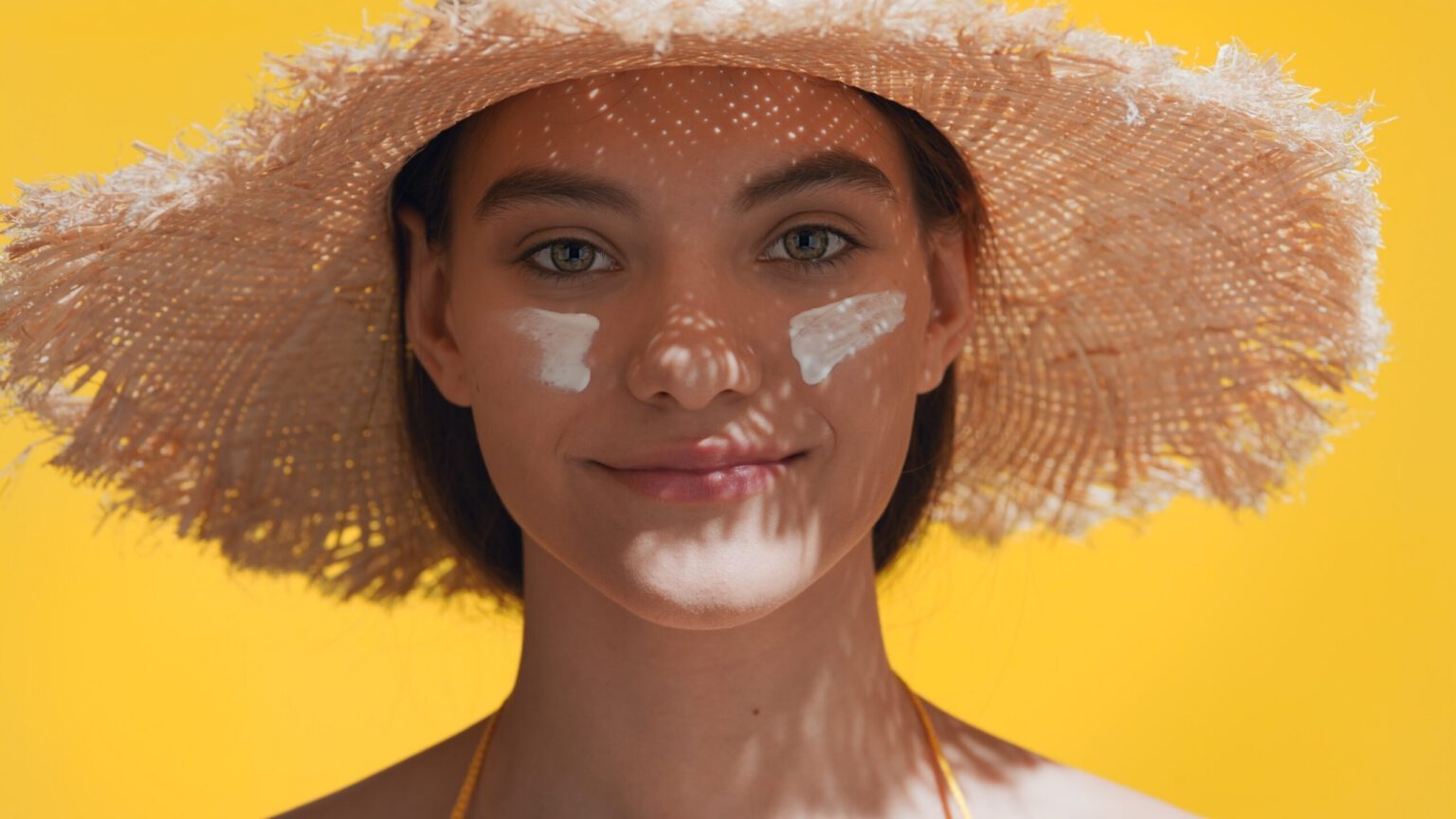
Every summer, with the arrival of the first heatwaves, we are bombarded with sunscreens and all kinds of tanning products. However, the damage caused by exposure to solar radiation is cumulative and irreversible, hence the importance of protecting our skin all year round and not only on beach days or during the sunniest seasons, since even on cloudy days we are exposed to its harmful effects.
There are two types of skin ageing: intrinsic (biological or chronological) and extrinsic:

Intrinsic ageing is the type that appears with the passing of years. It is caused by internal factors, among which our genetics is a determining factor and can predispose us to an earlier appearance of its signs on our skin.
By contrast, extrinsic ageing is due to external factors such as the environment (excessive solar radiation, pollution), lifestyle (smoking, alcohol, lack of sleep or stress) and medication, and is therefore preventable. Understanding the risks and the factors that play a relevant role in skin ageing allows us to anticipate them and design prevention strategies that help us age in a healthy way.

The skin is the largest organ in the body and the only one directly and constantly exposed to the external environment and to factors that can damage it. Overexposure to the sun is the main cause of premature ageing, known as photoageing. UV radiation is the primary cause, damaging cellular DNA. As a result, the skin wrinkles, becomes more fragile and pigmentation problems may appear prematurely.
Up to 90% of the signs of premature skin ageing are caused by exposure to UV radiation. Even more importantly, experts estimate that 80% of sun damage to the skin occurs before the age of 18. The harmful effects of solar radiation accumulate over time and therefore increase the risk of melanoma. Hence the importance of avoiding overexposure and maximising protection, especially during childhood and adolescence.
Not all skin reacts to the sun in the same way; it depends on the phototype. The phototype represents each person’s ability to adapt to the sun and can be determined through a skin phototype assessment test. The lower the phototype, the less the skin can counteract the effects of solar radiation, as melanin (the skin pigment) protects against UV radiation. Therefore, darker skin generally ages better than lighter skin, and lower phototypes (fair skin) have a higher risk of skin cancer.
However, we should not fear the sun, but rather enjoy its benefits in a healthy way. Sun exposure provides psychological benefits and, specifically, UVB radiation plays an important role in vitamin D synthesis. Vitamin D, popularly known as “the sunshine vitamin”, is obtained from food and mainly from sun exposure. It is an essential vitamin necessary for calcium metabolism and the proper functioning of muscles and the immune system.
Glass and sunscreens filter UVB radiation, preventing vitamin D synthesis. We should not expose ourselves excessively to solar radiation, but limited exposure is recommended to promote vitamin D synthesis. Generally, 15 to 20 minutes of sun exposure without sunscreen is sufficient (avoiding the face, neck and décolletage, as these areas are the most exposed to the sun), although ideally recommendations should be personalised based on vitamin D levels, phototype, season, time of day, latitude, age and genetic factors.

To adjust sun protection to each moment, the WHO recommends consulting the local UVI (ultraviolet index). The UVI measures the intensity of solar UV radiation at the Earth’s surface. The index is represented by a value above zero, and the higher it is, the greater the likelihood of sun damage. From a UVI value of 3, sun protection measures should be initiated, and when it exceeds 7 they should be intensified. Young people and phototypes I and II should always take extra sun protection measures.
With this information, we can determine the best time to be exposed to the sun and the best way to protect ourselves. The ideal topical sunscreen is one that protects against all types of radiation (UVB, UVA, IR and visible light) while also repairing the skin from their harmful effects.
We should not forget the importance of complementing essential topical sun protection with physical protection (staying in the shade, sunglasses, hats, dark clothing and UV-protective fabrics), and we can even complement it with oral protection (nutricosmetics). These oral supplements mainly contain antioxidants, among which Polypodium leucotomos stands out for its antioxidant properties. Polypodium leucotomos is a fern native to Central America that, during the adaptation process from aquatic to terrestrial life, developed its own defence mechanisms against solar radiation. It is attributed immunoprotective, antioxidant, DNA-repairing and skin photoageing prevention properties.
In summary, it is possible to enjoy the sun and benefit from all its properties while also taking care of our skin to keep it healthy. Better understanding our skin type and the individual factors that may make us more sensitive to the harmful effects of radiation or vulnerable to vitamin D deficiency allows us to take optimal care of ourselves by adapting our lifestyle habits to our needs.

References:
- Amrein, K., Scherkl, M., Hoffmann, M. et al. Vitamin D deficiency 2.0: an update on the current status worldwide. Eur J Clin Nutr 74, 1498–1513 (2020).
- Radiation: Ultraviolet (UV) radiation and skin cancer. https://www.who.int/news-room/questions-and-answers/item/radiation-ultraviolet-(uv)-radiation-and-skin-cancer
- Ramos-e-Silva M, Celem LR, Ramos-e-Silva S, Fucci-da-Costa AP. Anti-aging cosmetics: facts and controversies. Clin Dermatol. 2013 Nov-Dec;31(6):750-8. doi: 10.1016/j.clindermatol.2013.05.013.
- Neena Philips, Joan Smith, Thomas Keller, Salvador Gonzalez. Predominant effects of Polypodium leucotomos on membrane integrity, lipid peroxidation, and expression of elastin and matrixmetalloproteinase-1 in ultraviolet radiation exposed fibroblasts and keratinocytes. Journal of Dermatological Science. Volume 32, Issue 1. 2003.