
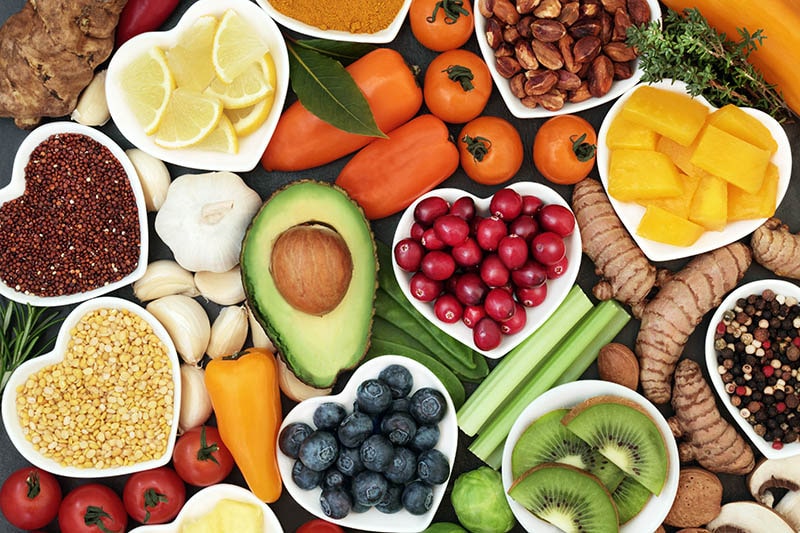
Our relationship with food is rarely easy. At times, it’s a true tragicomedy. Let’s admit it: we’ve gone on extreme diets where we practically starved ourselves just to fit into last summer’s pants, we’ve binged on chocolate cookies on that day when everything went wrong, we’ve followed the same routines as our gym buddies and haven’t lost a single gram…
All this, while we are fully aware of the importance of maintaining a healthy diet, a personalized approach to nutrition. Yes, that diet that not only helps us maintain our weight, but also boosts the immune system, improves mood, cares for the skin, regulates intestinal transit, prevents diseases such as osteoporosis or diabetes, and delivers countless lifelong benefits. But how can you follow a healthy diet in a simple way? Is it possible to get nutrition right once and for all?
It is—but we will only achieve a healthy relationship with food, one that also keeps us at our optimal weight, if we understand how our body responds to different foods. Each of us differs in how we absorb, metabolize, and utilize nutrients. For example, did you know that not everyone absorbs vitamin C equally well in the intestine? Or that each person metabolizes fats differently in the liver? We have molecular markers—both genetic and biochemical—that give us clues about how our body reacts to what we eat. This is why general recommendations claiming that fats are bad or that carbohydrates shouldn’t be eaten at night may not actually be true for you. That’s why generic diets fall short or don’t work at all—they’re generalizations that don’t adapt to your reality.
Which vitamins am I missing?
Your genetic markers can give you clues about which vitamins you may need to consume in greater amounts to compensate for possible deficiencies. For example, vitamin A—essential for many processes such as proper immune system function, heart health, and vision—comes in two forms: active vitamin A, called retinol, which comes from animal-based foods; and inactive vitamin A, called beta-carotene (the orange pigment in carrots and other vegetables), which is not active but is a precursor to retinol. Each of us has a different ability to convert beta-carotenes into retinol. Therefore, if you have a low capacity to convert vitamin A from its inactive to its active form, you will need to increase your intake of vitamin A as retinol, obtained directly from animal sources.
Don’t let emotional eating catch you off guard
On top of all these individual differences, we must also consider the tendency toward emotional eating—the kind that makes you devour two whole chocolate bars after an argument with your partner or the night before an important exam. Did you know that some of us are more prone to emotional eating than others?
There are genetic markers associated with a greater susceptibility to relying on highly palatable foods (those high in sugar and fat) to suppress negative emotions such as sadness, anxiety, or simply boredom. If we know we have this tendency, we can stay alert to triggers and take action to stop it.
What you eat also affects your genes
It’s clear that our genes influence what we eat: they largely determine what we like, whether we’re intolerant to certain foods, or whether we feel more or less hungry at different times.
But it’s not only your genes that affect how you metabolize food—what you eat also affects how your genes behave. Some foods can increase the risk of metabolic alterations that compromise our health, such as saturated fats. Others help our metabolism function better, such as sulforaphane from broccoli.
Your personalized nutrition plan is unique
As you can see, following a healthy diet is essential to improving our quality of life. But what is healthy for one person may not be healthy for another, which is why understanding your health status and your unique biological traits is crucial to designing a personalized nutrition plan that truly works for you.
Generic diets found online don’t help much and can even put your health at risk. What will really help you make peace with food—and what will help you reach your ideal weight—are personalized lifestyle habits aligned with your biochemical and genetic markers. In other words, aligned with your body, with who you are and how you are right now.