When we lead such an active life in which we also combine our daily activity with physical exercise or training, the need to rest becomes vital. We are well aware of the importance of maintaining a healthy routine that includes proper nutrition and regular physical activity, but what about rest? Most of the time, sleep becomes secondary. And while it’s true that sleep does not carry the same weight in improving physical performance as proper nutrition or preventive, healthy training, it has an essential value and is part of what is known as invisible training.
Rest and sports performance
Practicing sports—whether our goal is to improve athletic performance, gain strength, tone the body, build muscle, or increase endurance—causes a certain level of damage that requires repair processes. These processes take place during sleep, which means that both sleep quality and duration directly influence recovery and repair after training. In fact, scientific evidence shows that lack of sleep negatively affects sports performance due to impaired recovery following training sessions (1).
We should not underestimate rest or put our desire to improve faster ahead of it, as this can lead to unwanted effects and consequences such as increased wear and tear, exhaustion, and potential injuries, including muscle tears, muscle fatigue, stagnation in progress, increased blood pressure and heart rate, muscle or joint pain, and even loss of motivation toward exercise routines (2).
Rest and injuries
It doesn’t matter whether you exercise recreationally or professionally. When you perform physical exercise, a certain degree of muscular stress occurs. These processes are identified by the body as an imbalance, to which it responds by adapting muscle composition and enhancing the antioxidant system. Both responses are natural and beneficial. However, if the body does not have sufficient time to rest and adapt, it can reach a state of fatigue that may have negative health consequences.

Rest and genetics
The body will always perform better when it rests properly. Depending on the type of training we are doing, our genetics, physical condition, experience, environmental factors, and nutrition, experts recommend resting at least 24, 48, or even 72 hours between training sessions. In addition, it is known that there are genetic variants that predispose some individuals to higher levels of inflammation after physical exercise (3). Depending on these levels, the body may require more or less recovery time before the next workout.
At the professional level, in December of last year, Sargent Charli et al. published a scientific study aimed at determining how many hours of sleep an elite athlete needs. During the study, athletes were monitored and found to need an average of 8.3 hours of sleep per day to feel fully rested. However, only 3% of athletes slept enough to meet their self-assessed sleep needs, and 71% fell short by one hour or more. This highlights that rest must be a key focus when assessing and improving elite athletic performance, as there is a significant sleep deficit that can compromise results (4).
Invisible training
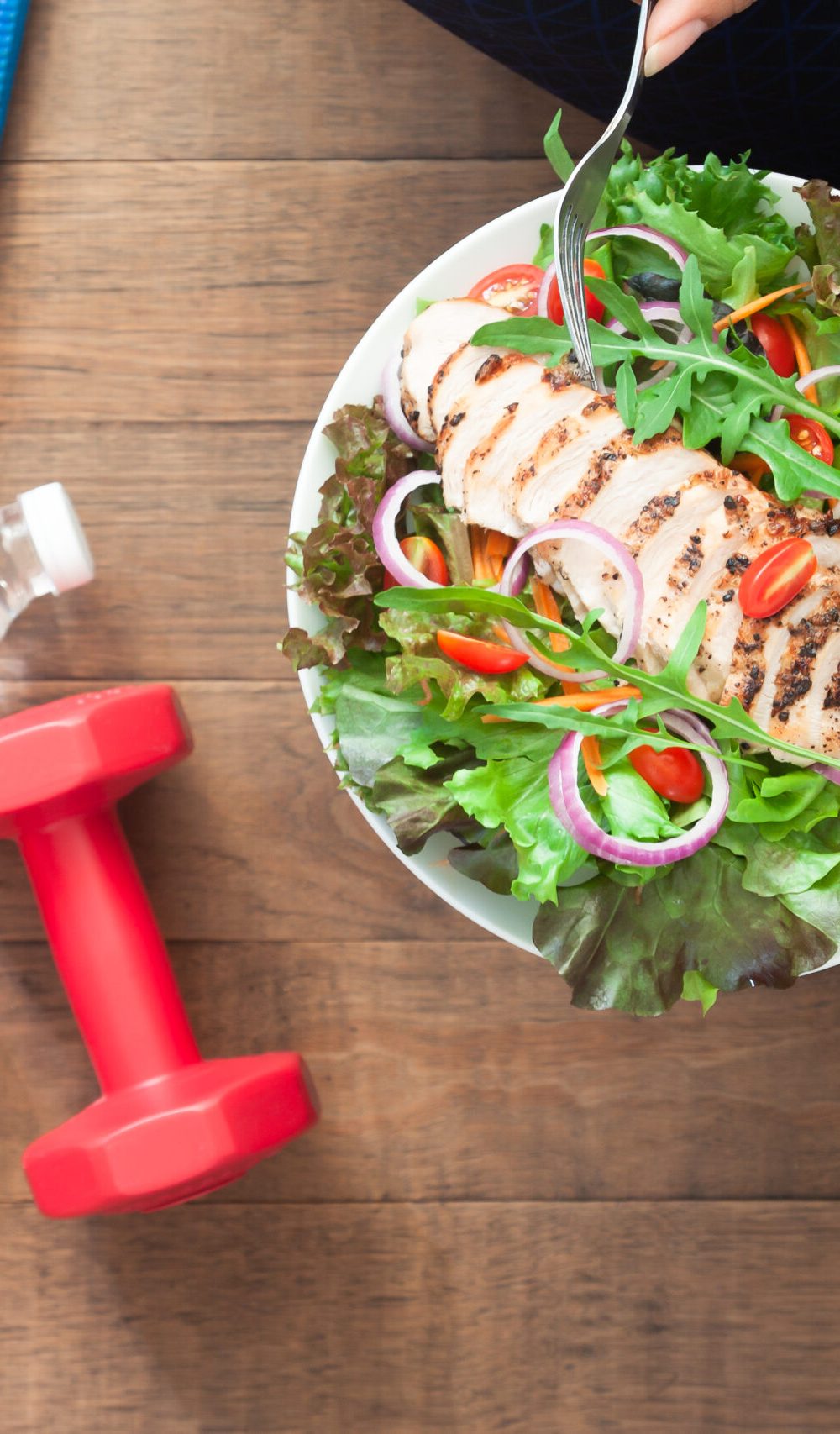
Recovery and rest, together with nutrition, make up what is known as invisible training. Incorporating the following strategies can help improve recovery after exercise, such as cold showers or ice baths, alternating water temperatures to improve circulation and relax muscles and tendons (6), ensuring adequate carbohydrate intake to replenish energy stores and sufficient protein to support muscle regeneration, and of course, performing stretching exercises once the body has cooled down. This helps prevent injuries, speeds up muscle recovery, and promotes lactic acid reabsorption, reducing the likelihood of delayed-onset muscle soreness.
It is also important to note that when we talk about 24, 48, or even 72 hours of rest, this does not mean complete inactivity. Instead, it may involve passive rest or active recovery. Active recovery consists of low-intensity activities focused on mobility or flexibility, such as jogging, yoga, Pilates, or tai chi, as well as walking, light hiking, or even dancing. All of these forms of movement and rest not only improve physical performance but also enhance mental health thanks to the release of endorphins, which have powerful analgesic and anxiolytic effects. These are widely recommended in psychological therapies to improve mood, reduce stress, alleviate anxiety, and slow or prevent cognitive decline.
In short, exercising and resting properly brings countless benefits: it improves performance, physical condition, and mental health, ensuring that our goals are achieved successfully and that the journey toward them is much healthier and more sustainable.

References
- Rae DE, Chin T, Dikgomo K, Hill L, McKune AJ, Kohn TA, et al. One night of partial sleep deprivation impairs recovery from a single exercise training session. Eur J Appl Physiol [Internet]. 2017;117(4):699–712. Available from: https://doi.org/10.1007/s00421-017-3565-5
- Romdhani M, Hammouda O, Chaabouni Y, Mahdouani K, Driss T, Chamari K, et al. Sleep deprivation affects post-lunch dip performances, biomarkers of muscle damage and antioxidant status. Biol Sport [Internet]. 2019;36(1):55–65. Available from: http://dx.doi.org/10.5114/biolsport.2018.78907
- Da Rocha AL, Pinto AP, Kohama EB, et al. The proinflammatory effects of chronic excessive exercise. Cytokine. 2019;119:57-61. doi:10.1016/j.cyto.2019.02.016
- Sargent C, Lastella M, Halson SL, Roach GD. How Much Sleep Does an Elite Athlete Need?. Int J Sports Physiol Perform. 2021;16(12):1746-1757. doi:10.1123/ijspp.2020-0896.
- Lastella M, Halson SL, Vitale JA, Memon AR, Vincent GE. To Nap or Not to Nap? A Systematic Review Evaluating Napping Behavior in Athletes and the Impact on Various Measures of Athletic Performance. Nat Sci Sleep. 2021;13:841
- Chaillou, T., Treigyte, V., Mosely, S. et al. Functional Impact of Post-exercise Cooling and Heating on Recovery and Training Adaptations: Application to Resistance, Endurance, and Sprint Exercise. Sports Med – Open 8, 37 (2022). https://doi.org/10.1186/s40798-022-00428-ó