
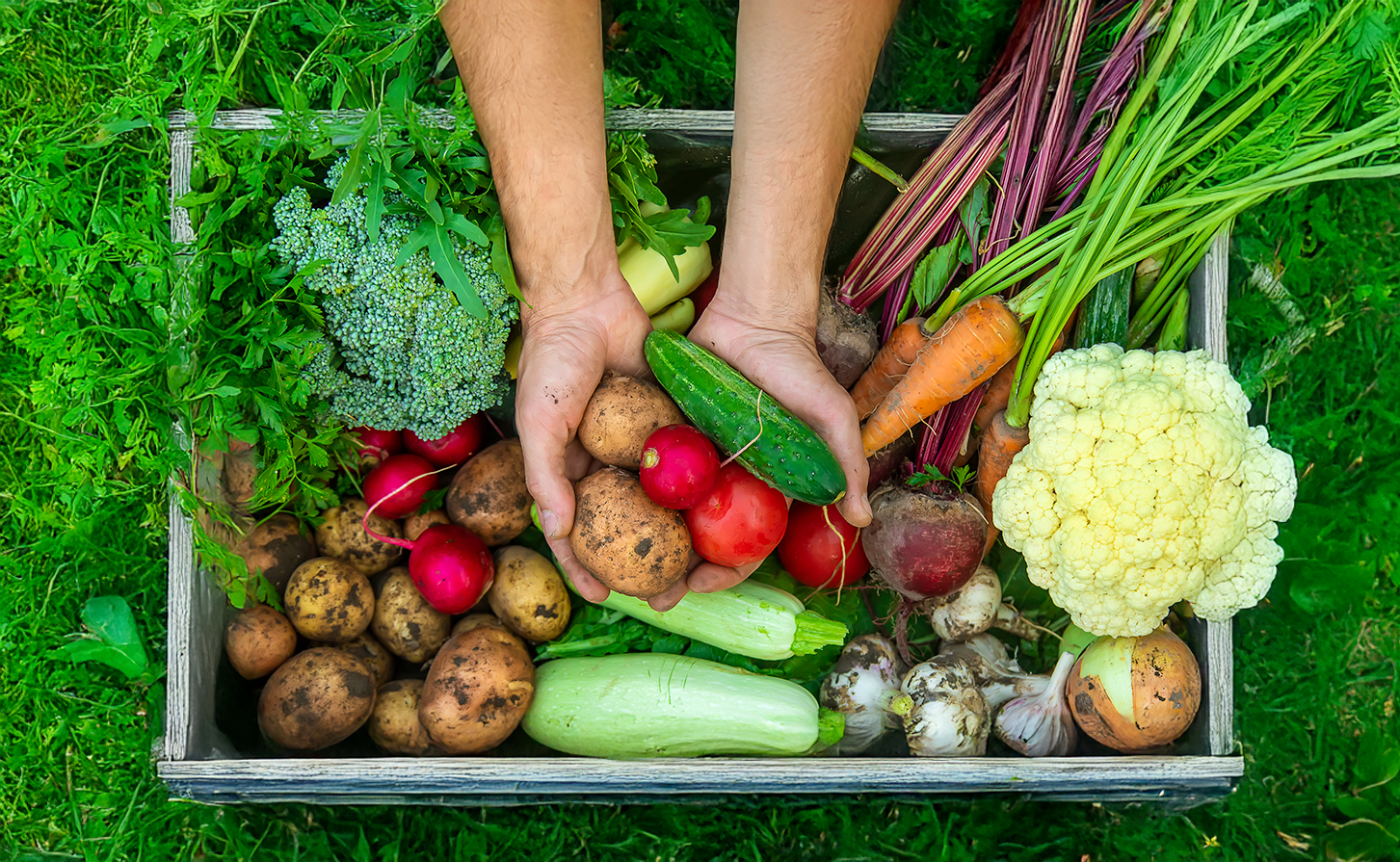
As we approach the end of 2024, the connection between sustainability, local eating, and wellbeing has established itself as one of the most significant trends in nutrition. In a world increasingly aware of the environmental impact of our daily choices, the search for locally sourced food, or “low food miles”, benefits not only the planet but also our health.
In this article, concluding our series on nutritional trends, we will discuss how sustainability and the choice of local food can transform both our health and the future of the planet.
The impact of dietary choices on the environment The decisions we make when planning our weekly meals or writing a shopping list are influenced by and impact the environment.
The food sector, one of the largest emitters of greenhouse gases, faces a growing challenge: reducing its carbon footprint. Through more conscious dietary choices, such as choosing local food, consumers are contributing to a more sustainable production model. Opting for fresh, local produce not only reduces emissions derived from transport but also promotes agricultural practices that are respectful to the environment.
Local food: sustainability and community connection
Locally sourced products represent one of the most effective ways to support sustainability. By choosing goods grown near our location, we not only reduce our carbon footprint but also support local farmers and producers, which strengthens regional economies.
This trend is booming, especially in 2024, as the demand for local products continues to rise—not only for their freshness, flavour, and nutritional quality but also for their connection to the community.
Furthermore, local food promotes biodiversity by avoiding the homogenisation that characterises large global supply chains. This diversity benefits not only the environment but also our health, by offering a variety of nutrients that can improve our general wellbeing.

Reducing food waste: sustainability in action
As indicated by Aesan (Spanish Agency for Food Safety and Nutrition), food waste has become a global concern, generated at various stages throughout the entire food chain, from primary production to consumption.
Globally, around one-third of the food produced is wasted or lost. The highest rates of waste are found at 40–50% for root crops, fruits, and vegetables; 35% for fish; 30% for cereals, and 20% for oilseeds, meat, and dairy products.
In the European Union, food waste particularly affects households, catering services, and retailers, who are responsible for 70% of total food loss. Furthermore, products such as fruit, root crops, and vegetables represent up to 50% of global waste according to Aesan.
However, in addition to the current high cost of food, people are becoming increasingly aware of how their decisions affect this problem. According to the Ministry of Agriculture, Fisheries and Food, the number of households that did not waste food in 2023 increased by 4.4% compared to the previous year.
The local food market in 2024: an opportunity for all
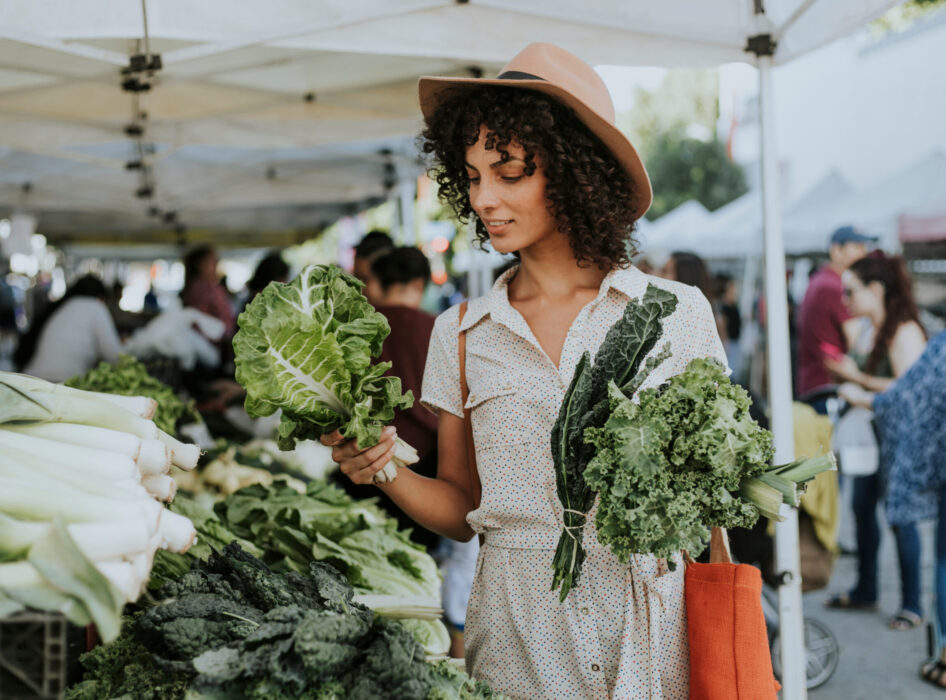
In 2024, the local food market continues to expand, with a growing number of consumers interested in sustainable, organic, and healthy products. Farmers’ markets, cooperatives, and organic food shops are seeing a surge as more people seek options that favour both their health and the wellbeing of the planet.
Furthermore, brands are taking steps towards eco-design in their products, not only improving nutritional quality but also reducing environmental impact. From recyclable or compostable packaging to production processes that minimise the use of resources, these innovations demonstrate how sustainability can be present at every stage of a product’s life cycle. Opting for brands that adopt eco-design principles not only supports the local economy but also sends a clear message to the industry about the importance of a responsible approach.

Connecting with the producer: the importance of supporting the community
One of the most rewarding aspects of sustainable eating is the direct connection with the producer. By choosing local products, consumers support local farmers, promoting fair trade and a closer relationship between producers and consumers. This connection not only benefits producers but also helps create a stronger community that is more aware of responsible agricultural practices.
Incorporating local food into your daily diet The end of 2024 is the perfect time to start incorporating more local food into your diet. Here are some suggestions to get started:

Conclusion
In 2024, nutrition continues to evolve towards a more sustainable and conscious approach. In addition to choosing local food, incorporating brands that focus on eco-design can make a great difference to our environmental footprint. Every decision we make in our diet, from what we eat to how it is presented, contributes to a healthier and more sustainable future.
What changes will you make to your diet to support a healthier and more sustainable future?