
As summer approaches, with warmer weather and longer days, people take the opportunity to be more physically active outdoors, socialise more in open-air settings and, of course, sunbathe. For social reasons, tanning has traditionally been considered, at least in our country, a characteristic associated with beauty. However, beauty does not always equate to health. Raising awareness about the dangers of tanning and helping patients understand that tanned skin increases the risk of skin cancer and accelerates photoageing is a daily and essential task.
Cultural origins of the desire to tan
There are many different explanations for this risky pursuit of tanned skin. One explanation focuses on changes in working environments. When most people were engaged in agricultural activities, farm owners tended to have fair skin, while agricultural workers had tanned skin. As a result, tanned skin was associated with a lower socioeconomic status.
When lifestyles changed with the Industrial Revolution and the majority of people began working indoors, only those who could afford holidays outdoors developed a tan. In this way, tanned skin became an indicator of a higher socioeconomic status.

The influence of fashion and advertising
For decades, tanning has been associated with beauty and an active, energetic lifestyle. Some argue that Coco Chanel sparked the tanned-skin revolution by popularising the image of tanned women in her famous haute couture advertising campaigns. Over time, the fashion industry and advertising have helped to perpetuate the idea that tanned skin is attractive and desirable.
Although medical evidence clearly shows the opposite, the desire to look tanned remains a popular trend. Even celebrities have been affected by excessive exposure to ultraviolet radiation. One example is Hugh Jackman. The Australian actor has stated on several occasions that he regularly visits a dermatologist to have small neoplasms removed that are associated with malignant growths, as a result of excessive sun exposure in his youth while surfing. Today, he is dealing with the consequences, having undergone two biopsies to date.
The dangers of tanning
Tanning is ultimately a skin response to injury caused by exposure to ultraviolet A (UVA) radiation, as the skin attempts to protect itself from excessive exposure. The introduction of tanning beds has increased opportunities for people at all latitudes to suffer UVA-related skin damage at any time of year, regardless of the season. A study of 3,550 white women aged between 13 and 19 reported that almost one third had used a tanning bed at least three times in their lives. In addition, 37% of women and 11% of men reported having used artificial tanning at least once.
Other studies have highlighted the potential of UVA tanning beds to promote problems similar to those associated with excessive sun exposure. Such exposure can cause skin damage that is difficult for the body to repair, increase the risk of skin cancer due to the ability of this radiation to damage DNA strands, and suppress the immune system by reducing its protective and repair functions. It can also lead to burns, dehydration and even heatstroke, which in the most severe cases can be fatal. All of this clearly demonstrates the risks and dangers associated with tanning.
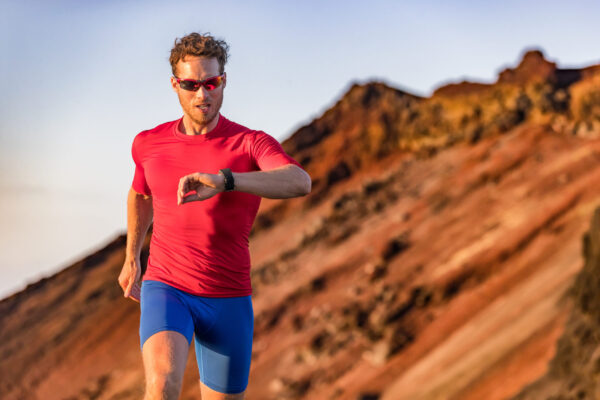
However, many of us also enjoy outdoor activities, which means we may be unintentionally exposed to excessive levels of radiation. For this reason, it is important to protect ourselves from solar radiation and the dangers of tanning in order to avoid its associated effects. But what is the best way to protect ourselves from the sun’s radiation?

How to protect yourself from the sun effectively
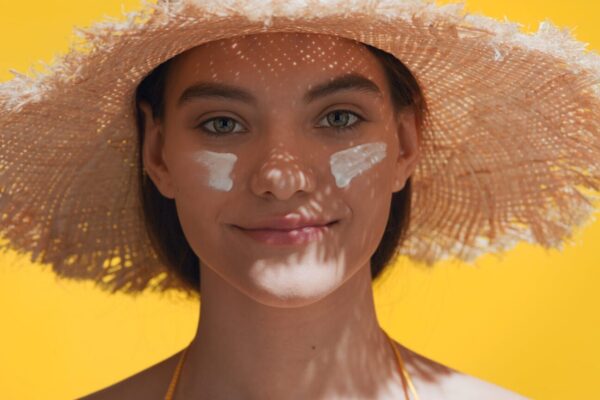
The professionals responsible for protecting and caring for our skin are dermatologists. To protect ourselves from solar radiation, they recommend applying a broad-spectrum sunscreen with a sun protection factor (SPF) of at least 30 before going outdoors, avoiding sun exposure during the hours of highest intensity (generally between 10 a.m. and 4 p.m.), and being especially cautious on days when UV index alerts are very high. They also advise wearing protective clothing, such as hats and sunglasses to protect the skin and eyes, and seeking shade whenever possible.
Finally, if you believe that at some point in your life you have had excessive or uncontrolled sun exposure and suffered sunburn, it is recommended to carry out regular skin self-examinations to detect any suspicious changes. In such cases, you should consult a dermatologist so they can assess whether there are moles or skin lesions that are changing in shape, size or colour, that is, potential signs of unwanted skin growths.
In summary, raising awareness about the dangers of tanning and adopting protective habits is essential to maintaining healthy skin throughout the year.

Bibliography:
Morifuji M. The beneficial role of functional food components in mitigating ultraviolet-induced skin damage. Exp Dermatol. 2019 Feb;28 Suppl 1:28-31. doi: 10.1111/exd.13825.
McWhirter JE, Hoffman-Goetz L. Systematic review of population-based studies on the impact of images on UV attitudes and behaviours. Health Promot Int. 2015 Jun;30(2):397-410. doi: 10.1093/heapro/dat031. Epub 2013 May 12.
Draelos ZD. The allure of tanned skin. J Cosmet Dermatol. 2009 Mar;8(1):1-2. doi: 10.1111/j.1473-2165.2009.00414.x.
Martin KL, Ailor SK. An ounce of prevention. Mo Med. 2011 Jan-Feb;108(1):64-8.
Chang C, Murzaku EC, Penn L, Abbasi NR, Davis PD, Berwick M, Polsky D. More skin, more sun, more tan, more melanoma. Am J Public Health. 2014 Nov;104(11):e92-9. doi: 10.2105/AJPH.2014.302185. Epub 2014 Sep 11.
Raab WP. Photodamaged skin: a medical or a cosmetic concern? J Int Med Res. 1990;18 Suppl 3:2C-7C.
Banerjee SC, Rodríguez VM, Greene K, Hay JL. Trending on Pinterest: an examination of pins about skin tanning. Transl Behav Med. 2019 Jul 16;9(4):737-748. doi: 10.1093/tbm/iby036.