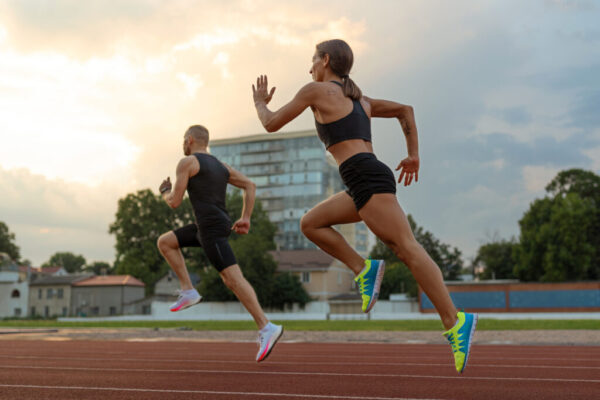

In high-performance sports, vo2max is a critical metric that determines victory or defeat. This biomarker not only reflects an athlete’s aerobic performance but is also a major indicator of athletic capacity. As a follow-up to the previous article on vo2max, in this piece we examine how vo2max affects sports performance and how athletes can monitor and optimize vo2max to achieve their goals.

What is vo2max and why is it crucial for athletes?
Vo2max, short for maximal oxygen volume, is a measurement that describes the maximum amount of oxygen a person can process. It is expressed in milliliters of oxygen per minute per kilogram of body weight (ml/min/kg). This value is crucial because it reflects the efficiency of the cardiovascular system in supplying oxygen to active muscles, thereby determining an athlete’s ability to maintain performance in endurance sports.
A high vo2max allows athletes to sustain prolonged, high-intensity efforts. This is fundamental in sports such as marathons, cycling, swimming, and triathlon. Furthermore, a better vo2max means the body can produce more aerobic energy, delaying the accumulation of lactic acid and muscle fatigue. Athletes with a high vo2max typically experience faster recovery between training sessions and competitions, allowing them to train more frequently with a lower risk of injury.
Healthy vo2max ranges
Vo2max ranges can vary by age, gender, and fitness level. Below are some general ranges based on scientific studies and publications:
- Young men (20-29 years): 38-56 ml/min/kg.
- Young women (20-29 years): 30-49 ml/min/kg.
- Middle-aged men (30-39 years): 34-52 ml/min/kg.
- Middle-aged women (30-39 years): 27-42 ml/min/kg.
- Elite athletes: can have values exceeding 70 ml/min/kg.
Having a vo2max within these ranges is a good indicator of solid cardiovascular health and high aerobic capacity. However, it is important to remember that these are approximate values and individual variation can be significant.
Factors such as genetics (some studies suggest that up to 70% of the variation in vo2max can be attributed to this factor), the type of training, age, gender, and even lifestyle habits—such as supplementation, chronic stress, and smoking—can influence the variation of vo2max between individuals.

How to improve vo2max
Having seen the great importance of maintaining a good vo2max for athletic performance, we surely wonder: how can we improve it?
Continuous aerobic training
- Endurance exercise: Activities such as running, swimming, and cycling at a moderate but steady pace can increase vo2max by improving cardiovascular efficiency. It is recommended to perform these activities for at least 45-60 minutes per session, several times a week.
- Heart rate zone: Training in the heart rate zone corresponding to 60-70% of maximum heart rate can be particularly effective for improving vo2max. This zone is known as training zone 2 and is ideal for aerobic improvement.
High-intensity interval training (hiit)
- Benefits of hiit: Alternating short periods of intense exercise (90-95% of maximum heart rate) with recovery periods can challenge the cardiovascular system and significantly increase vo2max. This type of training improves not only aerobic capacity but also anaerobic capacity.
- Example hiit routine: A typical hiit example might include 30 seconds of sprinting followed by 90 seconds of recovery, repeated 8 to 12 times. This type of training can be performed 2-3 times per week.
Altitude training
- Effect of altitude: Training at higher altitudes can stimulate an increase in red blood cell production, thereby improving the body’s ability to transport oxygen and increasing vo2max. Elite athletes often use altitude stays to maximize these benefits.
- Use of hypobaric chambers: Additionally, some athletes use hypobaric chambers that simulate altitude conditions to obtain similar benefits without the need to travel.
Training periodization

Technology and vo2max: the role of smartwatches
Advances in technology have allowed athletes to monitor vo2max continuously and accurately with the help of smartwatches and other wearable devices. These devices use advanced sensors and algorithms to estimate vo2max during physical activities, providing users with valuable data to adjust and optimize training.
How smartwatches work
- Heart rate sensors: They measure heart rate during exercise to estimate oxygen consumption. Heart rate is a key indicator of exercise intensity and is used in combination with other data to calculate vo2max.
- Gps and accelerometers: These sensors record speed and distance traveled during exercise, providing precise data on workload and intensity.
- Estimation algorithms: By combining data on heart rate, speed, altitude, and other parameters, devices can offer an estimate of vo2max. Although these estimates are not as accurate as laboratory tests, they are reliable enough for tracking progress and planning training.

Conclusion: vo2max and the future of sports performance
Vo2max is more than just a number; it is a powerful tool for evaluating and improving sports performance. Understanding its importance and how to influence it through training and lifestyle can provide athletes with a significant competitive advantage. By focusing on improving this biomarker, athletes can not only reach their sporting goals but also enjoy better health and well-being throughout their careers.