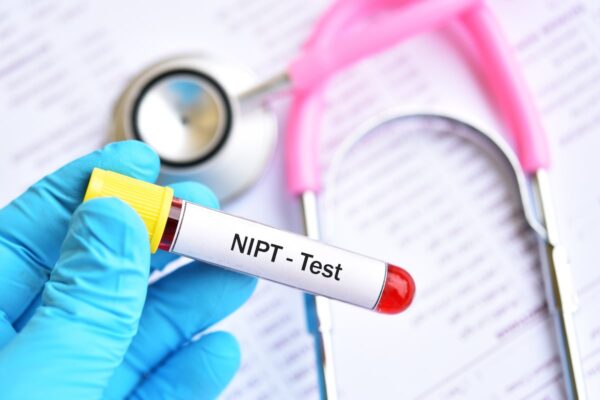

The term personalised medicine (PM) first appeared in publications in 1999, highlighting how new technological advances in predicting general health risks, monitoring disease progression and anticipating responses to therapy could enable more personalised approaches to healthcare. But what exactly is personalised medicine, and what does it involve?
What do we mean by personalised medicine?
In 2014, the Horizon 2020 Advisory Group defined personalised medicine (PM) as “a medical model that uses the characterisation of individuals’ phenotypes and genotypes (for example, molecular profiling through molecular tests, medical imaging and lifestyle data) to tailor the right therapeutic strategy to the right person at the right time, determine disease predisposition, and deliver timely and targeted prevention.”
This definition was adopted at the European Council meeting on personalised medicine for patients, which further specified that “personalised medicine relates to the broader concept of patient-centred care, recognising that, in general, healthcare systems must respond better to patients’ needs.”
The evolving concept of personalised medicine
The concept defining what “personalised medicine” is has recently evolved into personalised healthcare, understood as approaches that are personalised, predictive, preventive, participatory and person-centred, among others. These approaches enable the transformation of healthcare systems through the direct involvement of citizens, patients, policymakers, academia and industry, supporting the effective and sustainable planning, implementation and delivery of personalised medicine services.
The analysis of genetics, genomics and epigenetics (genetic testing), as well as deep clinical phenotyping and digital biomarkers, represent innovative tools for classifying disease states (diagnostic testing) and predicting future clinical outcomes (prognostic testing). In the future, the routine and periodic profiling of patients using innovative technologies is expected to become standard practice in healthcare, helping shift towards a more preventive and proactive approach.
We understand technology better than we understand people
When we talk about personalised medicine (PM), we must not forget the P for person and focus solely on technology. Technology is only a sophisticated tool, albeit one with great added value, within the patient care process.
Undoubtedly, we face a complex duality when we speak about the “P”. On the one hand, there is the patient as a body, with their genetics and phenotype; on the other, the patient as a subjective person. French philosophers Merleau-Ponty and Ricoeur point out that the person emerges at the intersection of subjectivity and objectivity, through a contingent and dynamic process of formation that never truly ends. We are not always the same. This also shows that personalised medicine will not achieve true personalisation if it considers only the objective aspects of the person (especially the objective body) and relies solely on explanatory approaches drawn from the natural (and social) sciences.
Political and socio-economic dynamics, together with the use of new technologies, are creating a new type of society that individuals must learn to navigate. We are beginning to live within a new paradigm while the previous one has not yet disappeared. In the provision of healthcare services, the subjective patient will become increasingly important, with everything that this entails: a body, yes, but also a way of being, a way of living, family context, culture, emotional life, vitality, and degree of integration into the social and economic fabric. Knowing someone’s genetics through a DNA test alone is simply not enough.
Where is the definition of personalised medicine heading?
Personalised medicine (PM) needs to become an integral part of new healthcare models, in which prevention and health education are prioritised, along with the adoption or improvement of healthy habits, the need to change behaviours to ensure appropriate adherence to therapeutic treatments, and, in particular, the promotion of early diagnosis. It is precisely along these lines that personalised health is emerging.
For PM to become a scientific and industrial priority, policymakers and healthcare system leaders must promote cooperation between researchers, innovators, industry, start-ups, regulators, funding agencies and healthcare systems. At the same time, they need to provide forums and platforms for sharing best practices, defining common guidelines for the implementation of PM, and encouraging public–private projects.
Personalised medicine will progress if it is able to grow while maintaining a balance between the M and the P. Citizens and patients will increasingly be multidimensional and complex, with greater awareness of the importance of their health status. At times, they will still need to be “repaired”, but above all they will ask us for human “GPS systems” to help them better manage their health and wellbeing, and their illness, when relevant. Personalised medicine will be a great help in this regard; of that, I am convinced.